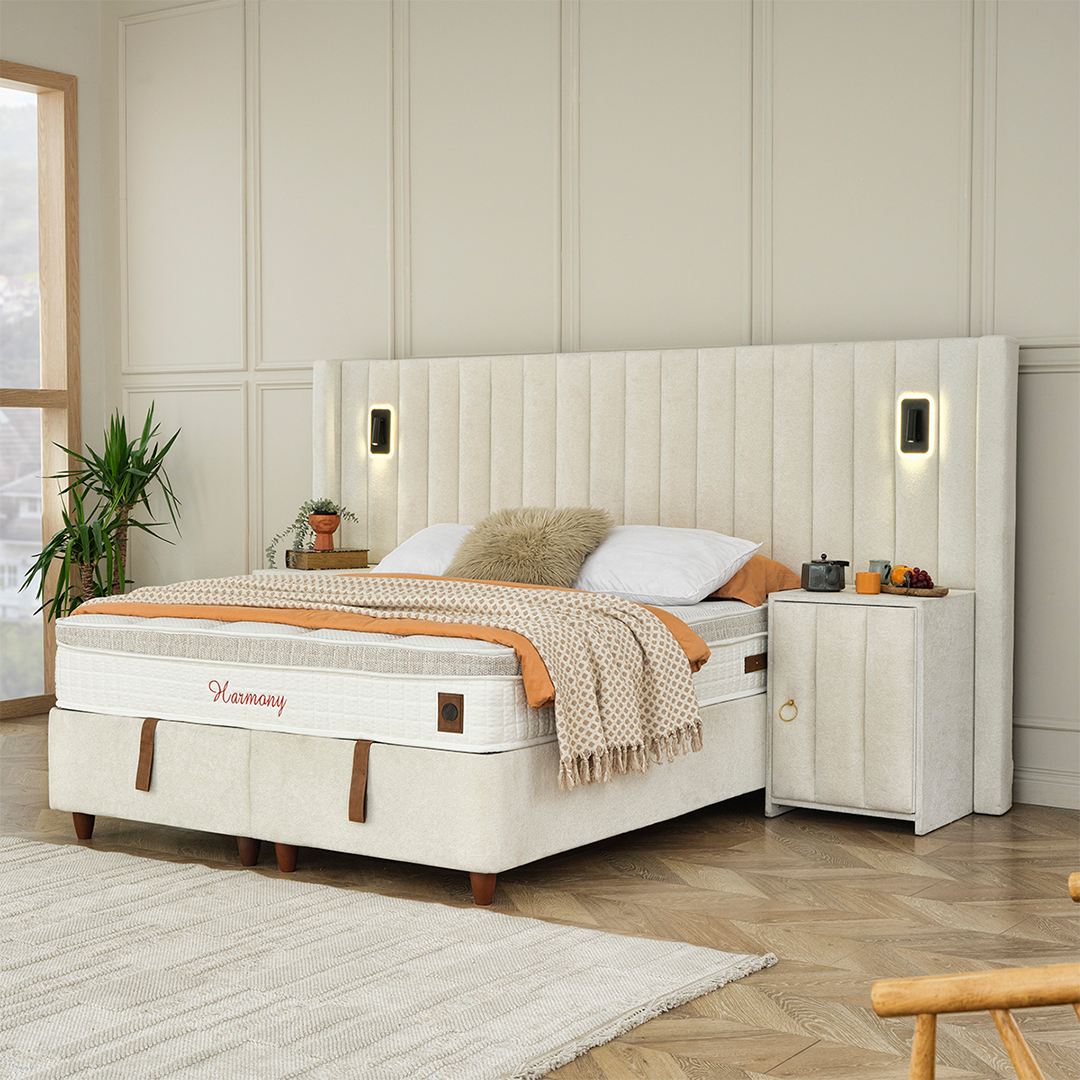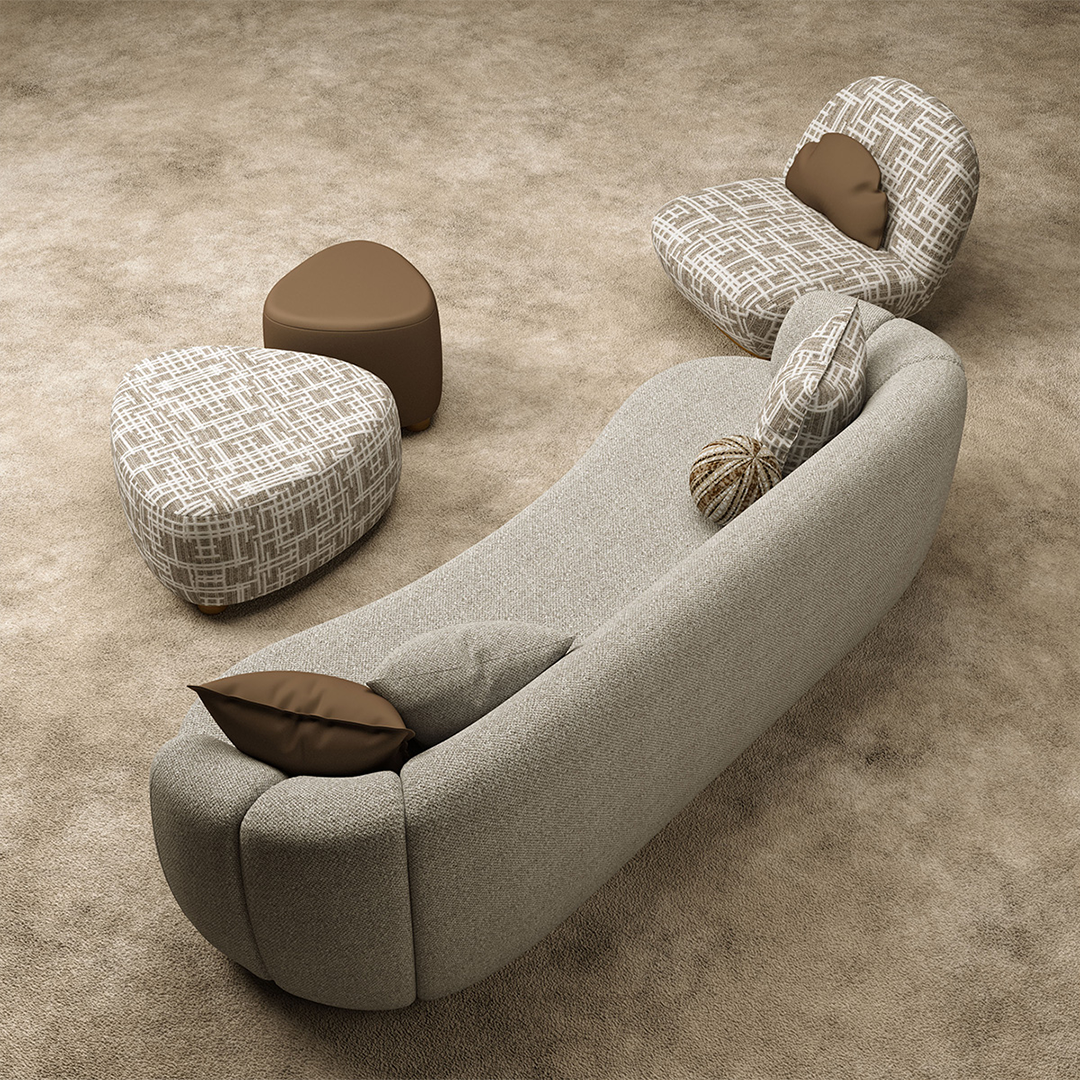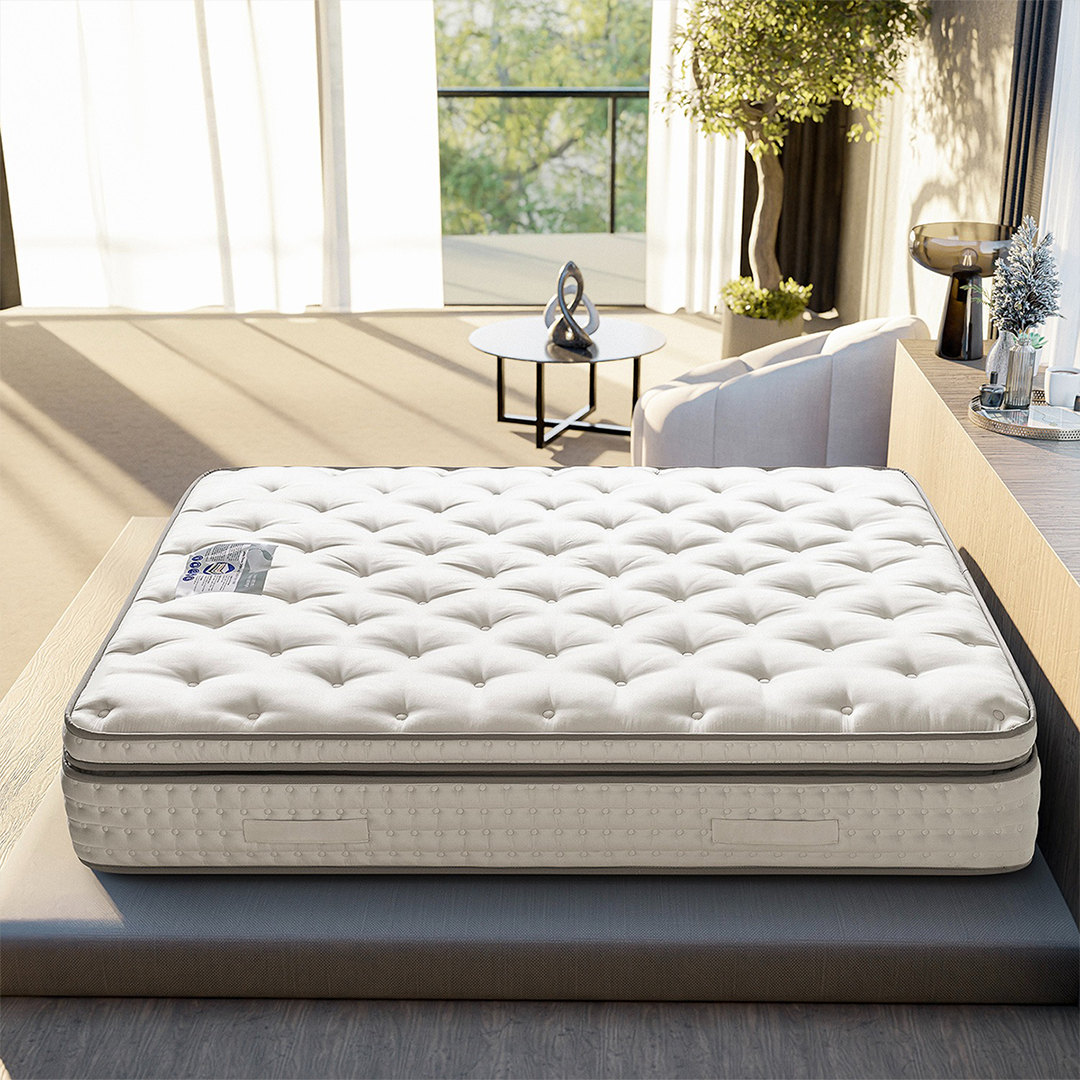
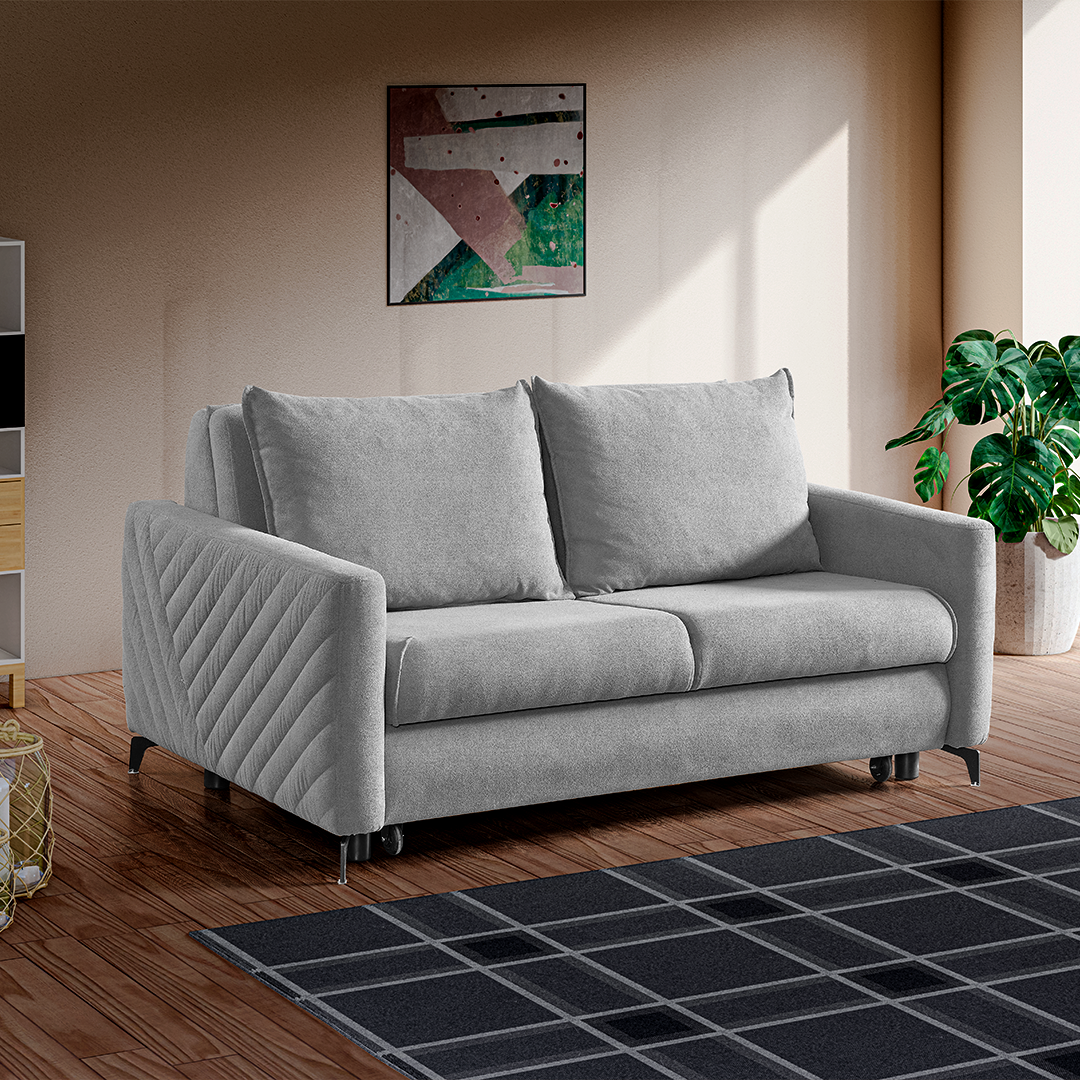
Furnishing a hotel lobby, a serviced apartment block or a restaurant chain means ordering sofas at a scale most retail buyers never deal with — dozens or hundreds of units, built to a consistent spec, that need to survive years of daily public use. Getting the brief right before production starts saves weeks of back-and-forth later.
Start with frame construction
A sofa built for a home living room and one built for a hotel lobby are not the same product, even if they look similar in a catalog photo. Ask your manufacturer what the internal frame is made from — kiln-dried hardwood holds joints and screws far better than softwood or particleboard over a multi-year contract life, and it resists warping in humid coastal or high-traffic climates.
Questions worth asking your supplier
- Is the frame kiln-dried hardwood, and is that documented?
- How are joints reinforced — corner blocks, dowels, or glue alone?
- What weight rating has the frame been tested to?
Foam density and seat suspension
Comfort fades fast on low-density foam under daily commercial use. For hospitality-grade seating, look for higher-density foam cores, and ask whether the seat suspension uses webbing, sinuous springs, or a combination — sinuous springs generally hold their shape longer under repeated sitting than webbing alone.
"The difference between a sofa that looks good on delivery day and one that still looks good in year three almost always comes down to what's inside it, not the upholstery on top."
Upholstery: fabric vs. leather for commercial use
Fire-retardant certification (such as Crib 5 or BS 7177 for the UK and EU markets) is non-negotiable for most hotel and public-space contracts, so confirm this upfront rather than after samples are approved. Beyond compliance, faux leather and performance fabrics are typically easier to clean and more consistent in commercial settings than natural leather, which shows wear differently across a batch.
Getting from sample to full order
For any order beyond a handful of units, ask for a pre-production sample before the full run starts. It's the fastest way to catch a sizing, stitching or colour-match issue while it's still cheap to fix — and it gives your project team something physical to sign off on before committing to a container-scale order.